
What to See in San Francisco: Itineraries from 1 Day to a Week
The absolute must-sees, from a single day to a full week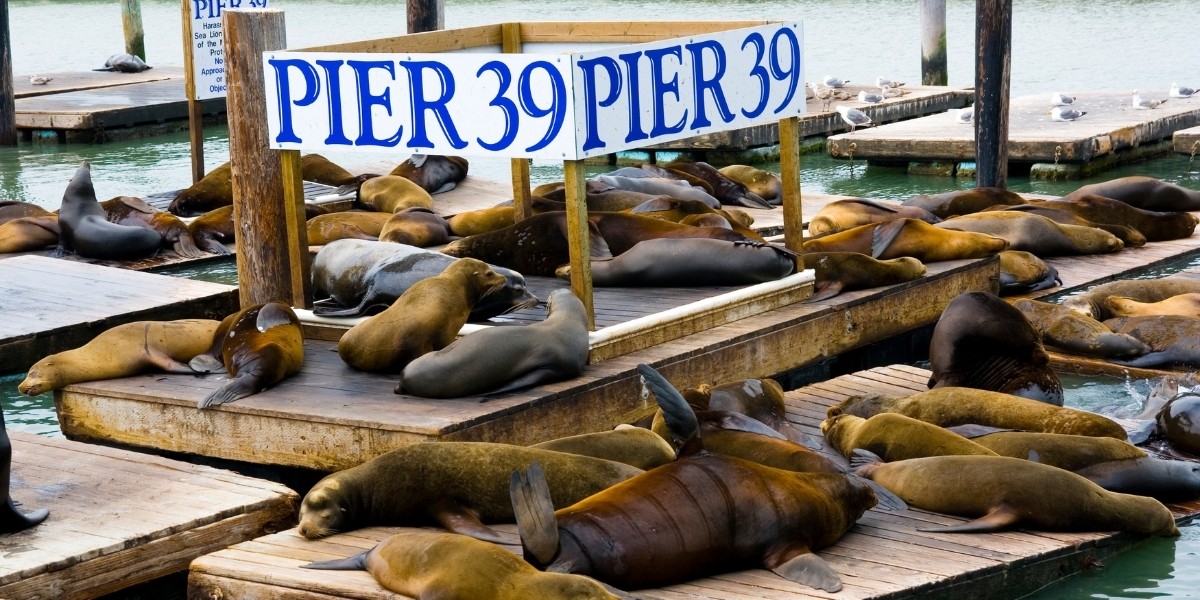

San Francisco is a walkable city that wears you out fast, thanks to the hills. It's compact — under 47 square miles, less than a tenth of Los Angeles — yet it packs so much into that space that the real question isn't what to see in San Francisco, but how many days you need to actually see it.
Below you'll find the things to see that no visit should skip, plus four itineraries built around the time you actually have: one day, three, five, or a full week. Each version builds on the last, so you can read only the one that applies to you.
How Many Days Do You Need in San Francisco?
The honest answer: three full days is the minimum for a trip that doesn't feel rushed, five is the right number if you also want to get out of the city, and seven lets you reach Yosemite or Big Sur without shortchanging San Francisco itself.
One day is possible — plenty of people pass through on a road trip — but it means choosing. Twenty-four hours gets you a real San Francisco, not a complete one.
One piece of advice that applies at any length: the city has a microclimate of its own, and the fog rolling in off the Pacific can swallow the Golden Gate Bridge even in July. The clearest stretch of the year is usually September through October, not high summer. If the bridge is your priority, factor that into your dates — and if your first attempt finds it socked in, try again the next day at a different hour.
Things to See in San Francisco: The Essentials
Before the itineraries, here are the things to see that form the backbone of any visit, with what you need to know to plan them properly.
The Golden Gate Bridge
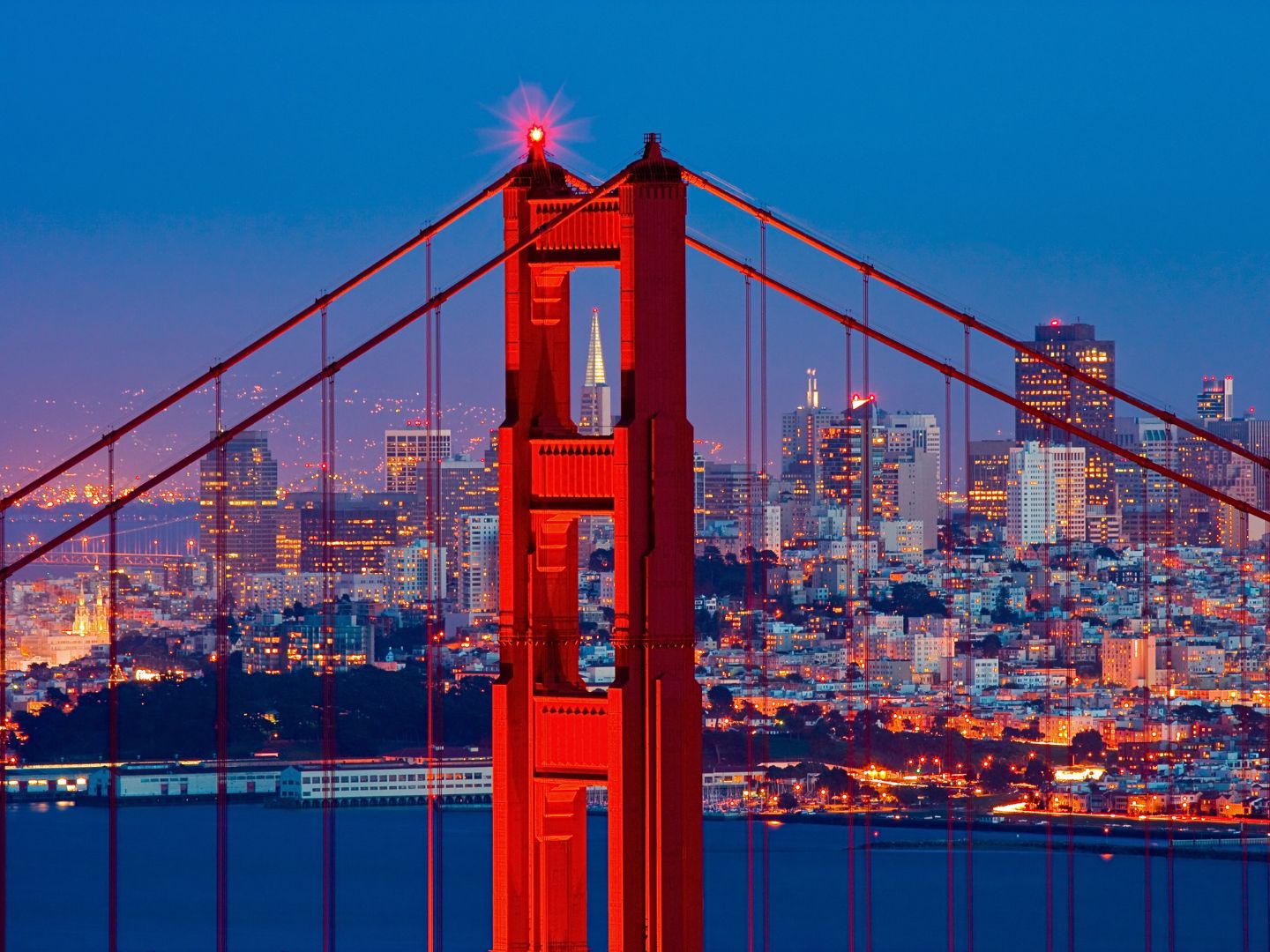
Walking across takes roughly forty-five minutes each way and costs nothing. The most photographed vantage point is Battery Spencer on the Marin side, while Baker Beach and Crissy Field give you the view from the city side. If you drive across, note that the toll applies only heading into San Francisco and there are no toll booths — your plate is read automatically and payment is settled online. How to cross the Golden Gate Bridge »
Alcatraz
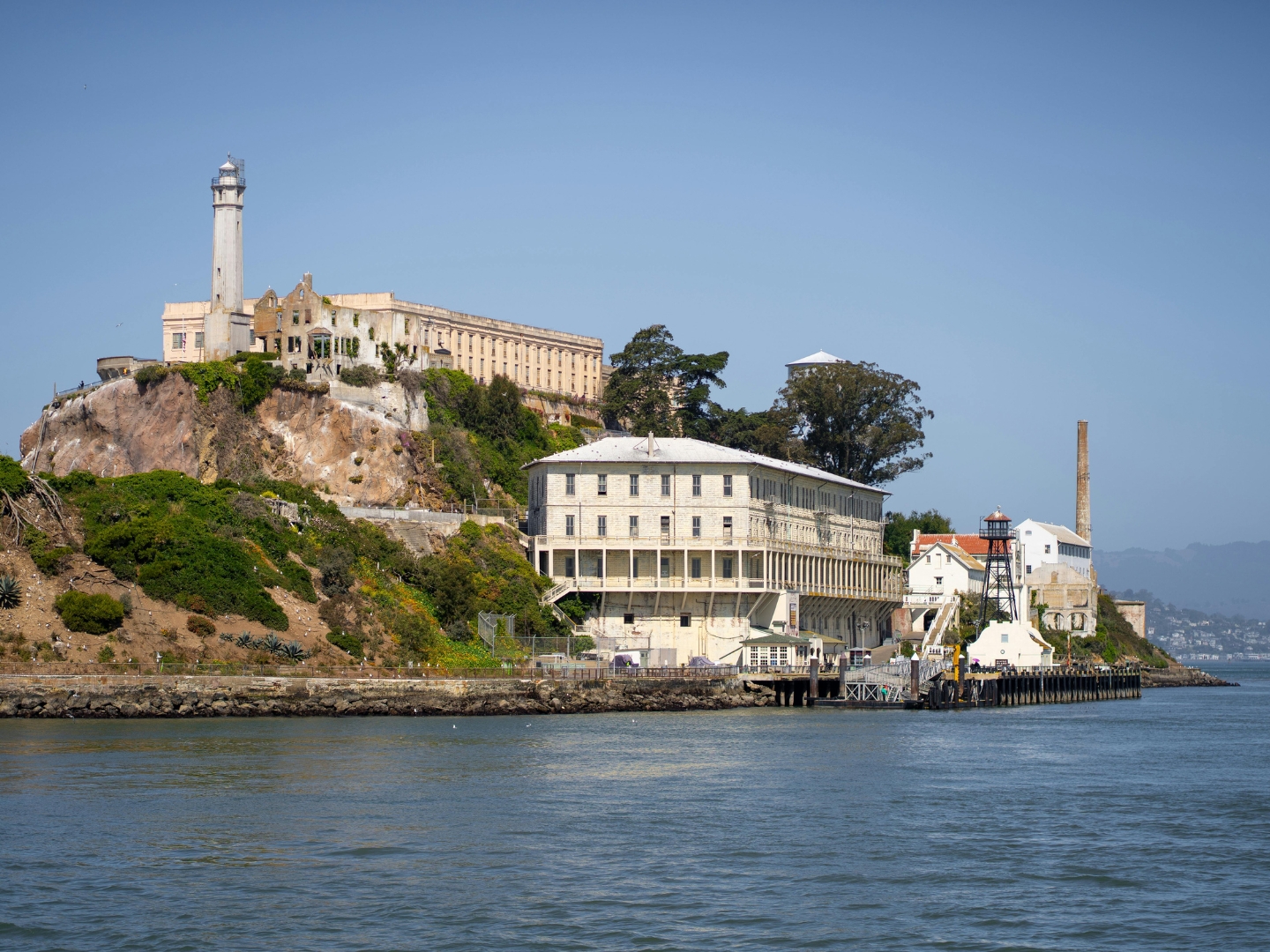
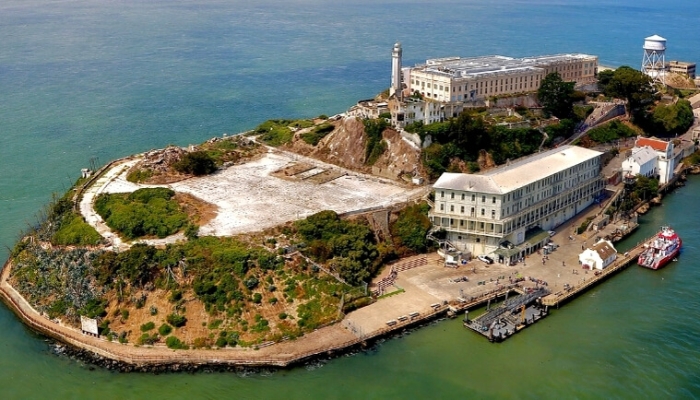
The former federal penitentiary is the one visit that demands the most advance planning. Ferries leave from Pier 33 and the only authorised operator is Alcatraz City Cruises. Tickets routinely sell out a week or more ahead, and much further out in high season — book as soon as your flights are set. The audio tour is included. If crowds put you off, consider the night tour: fewer people, and a light that changes the island entirely. How to visit Alcatraz Island »
The Cable Cars
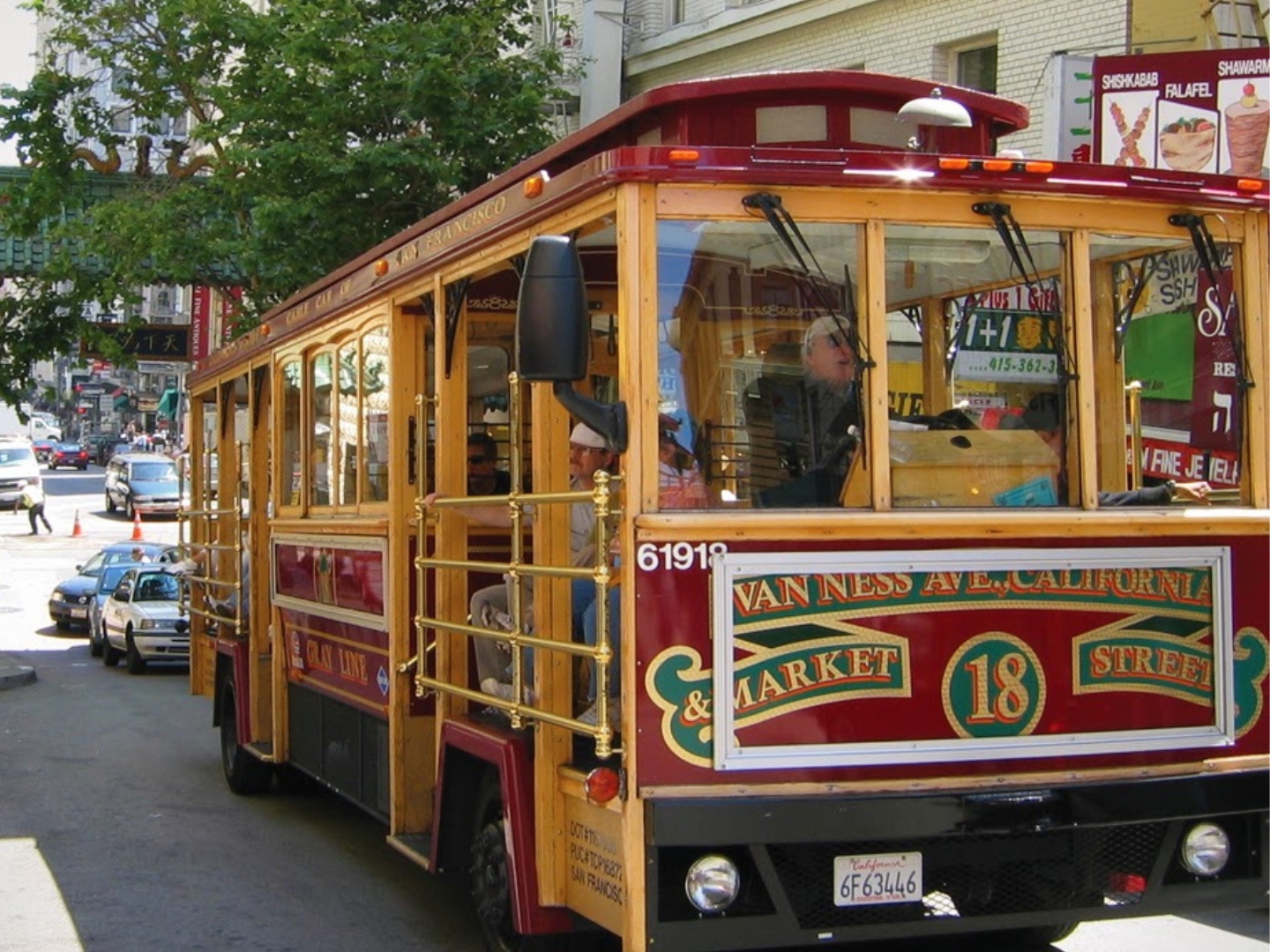
They are not an efficient way to get around and don't pretend to be. They're a piece of 1873 still running — the last manually operated cable car system in the world. Three routes: Powell-Hyde, Powell-Mason and California Street. The Powell-Hyde line is the most scenic, dropping toward Fisherman's Wharf with the bay ahead of you.
An important change on fares: a single ride currently costs $9, but from 4 January 2027 it rises to $12, alongside a new $18 "Cable Car Plus" day pass covering all Muni services and letting two accompanied youth ride free. If you plan more than one ride, the pass pays for itself almost immediately. Skip the queue at the Powell & Market turnaround by boarding at an intermediate stop instead. Riding the San Francisco cable cars »
Fisherman's Wharf and Pier 39
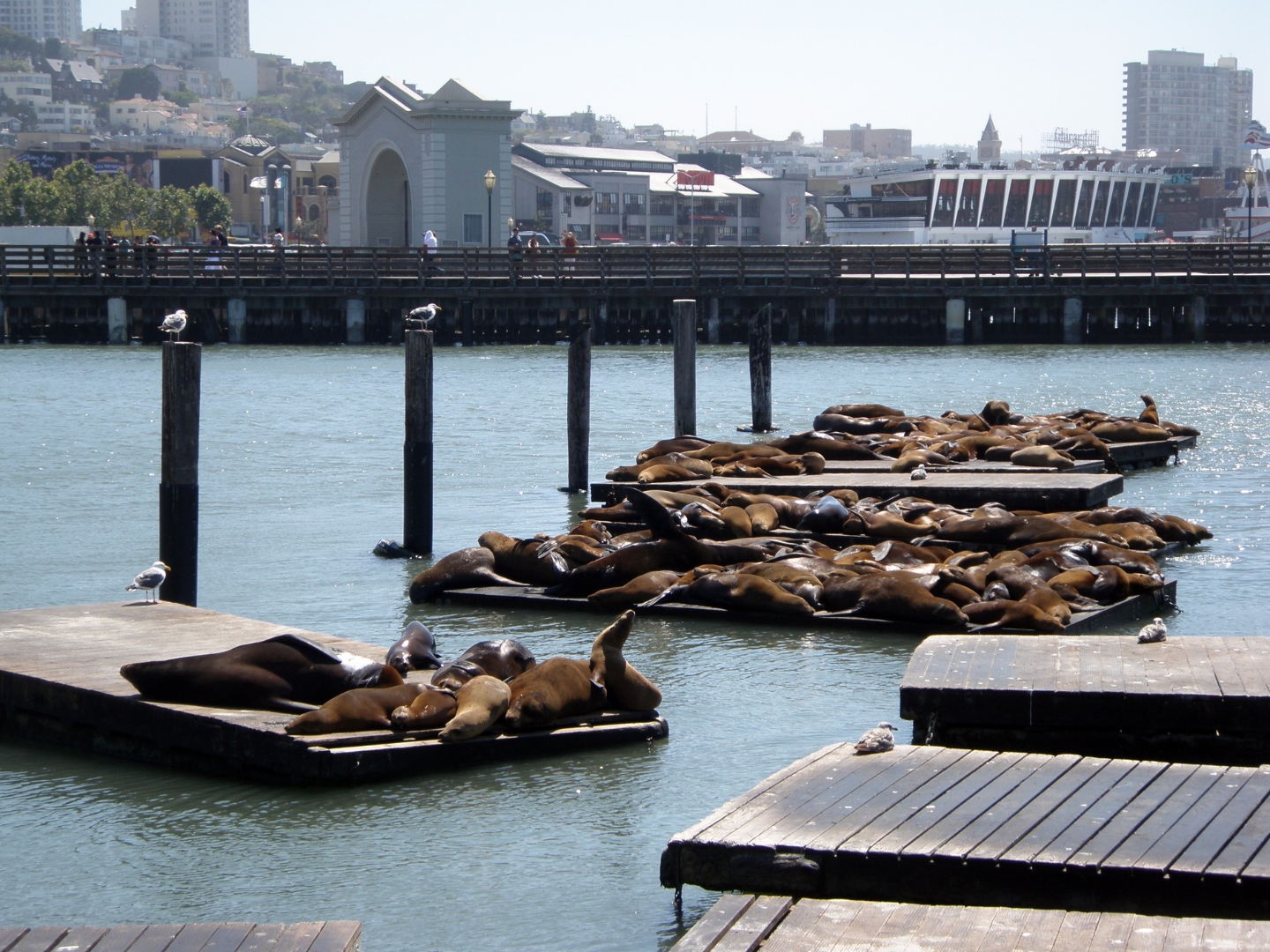
This is the most touristy corner of the city and we won't pretend otherwise. It earns its place for two reasons: the sea lions at Pier 39, who have occupied the docks since 1989 and are a free and genuinely entertaining spectacle, and the fact that the ferries leave from here, Alcatraz included. Give it an hour or two, not a day. Fisherman's Wharf and Pier 39 »
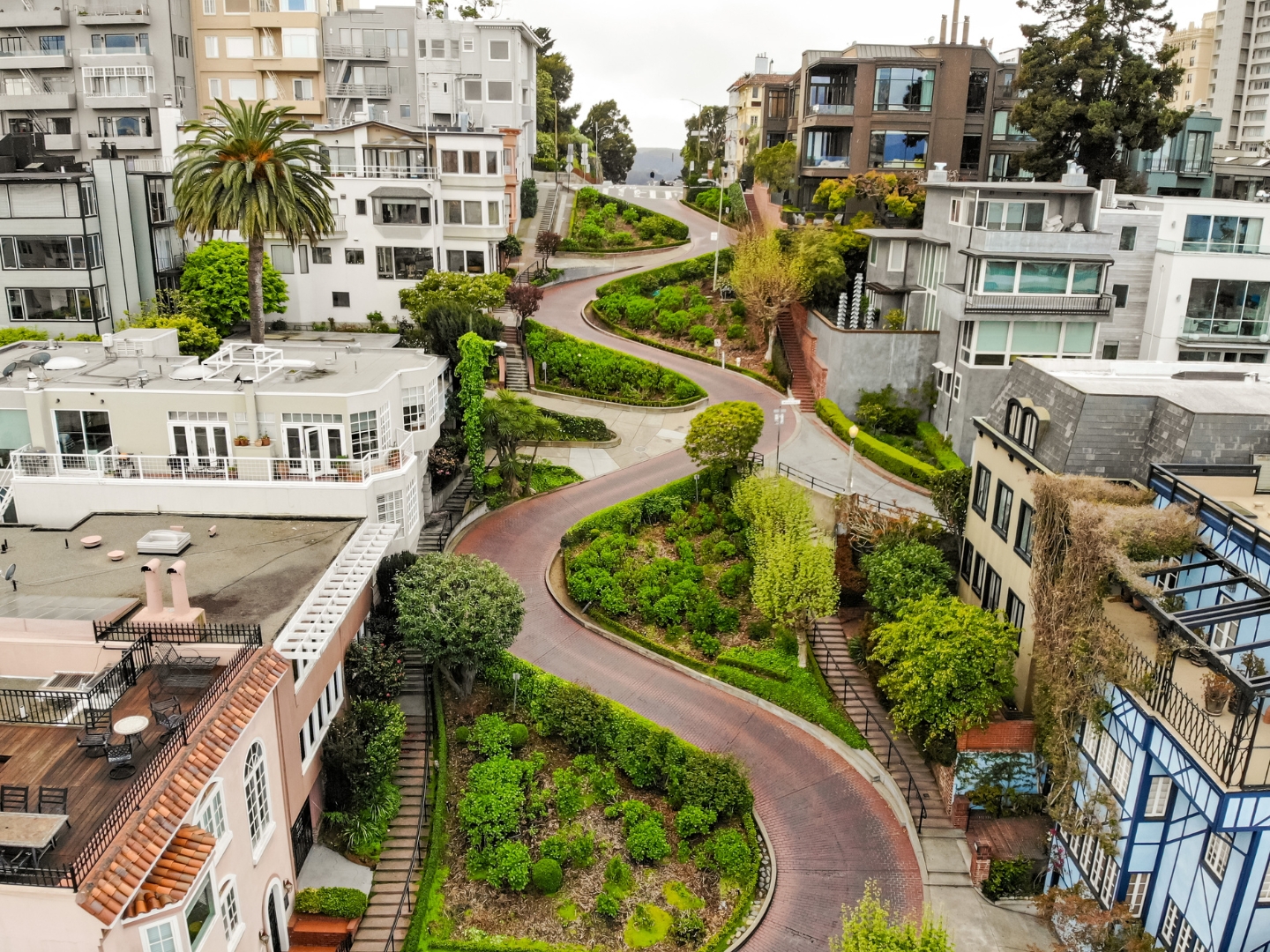
Lombard Street
The eight-turn stretch between Hyde and Leavenworth is short — ten minutes on foot — but it sits right by the Powell-Hyde stop, so it slots naturally into a cable car ride. Photograph it from the bottom, then climb the side steps.
Golden Gate Park
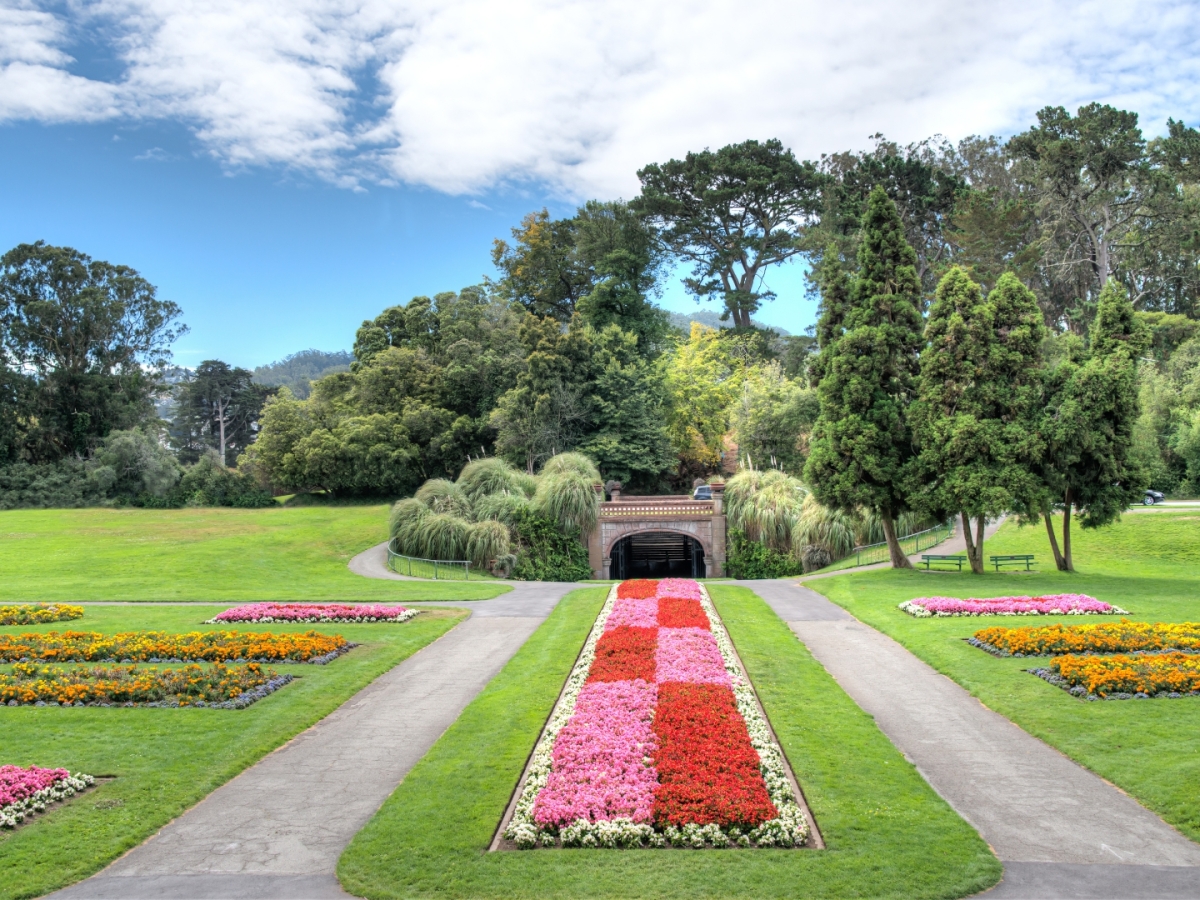
Larger than Central Park and far less crowded. Inside you'll find the California Academy of Sciences, with its planetarium and the rainforest under the dome; the de Young Museum, whose observation tower is free to enter; the Japanese Tea Garden; and the Conservatory of Flowers. This is the right place for a slow half-day. How to get to Golden Gate Park »
The Neighbourhoods
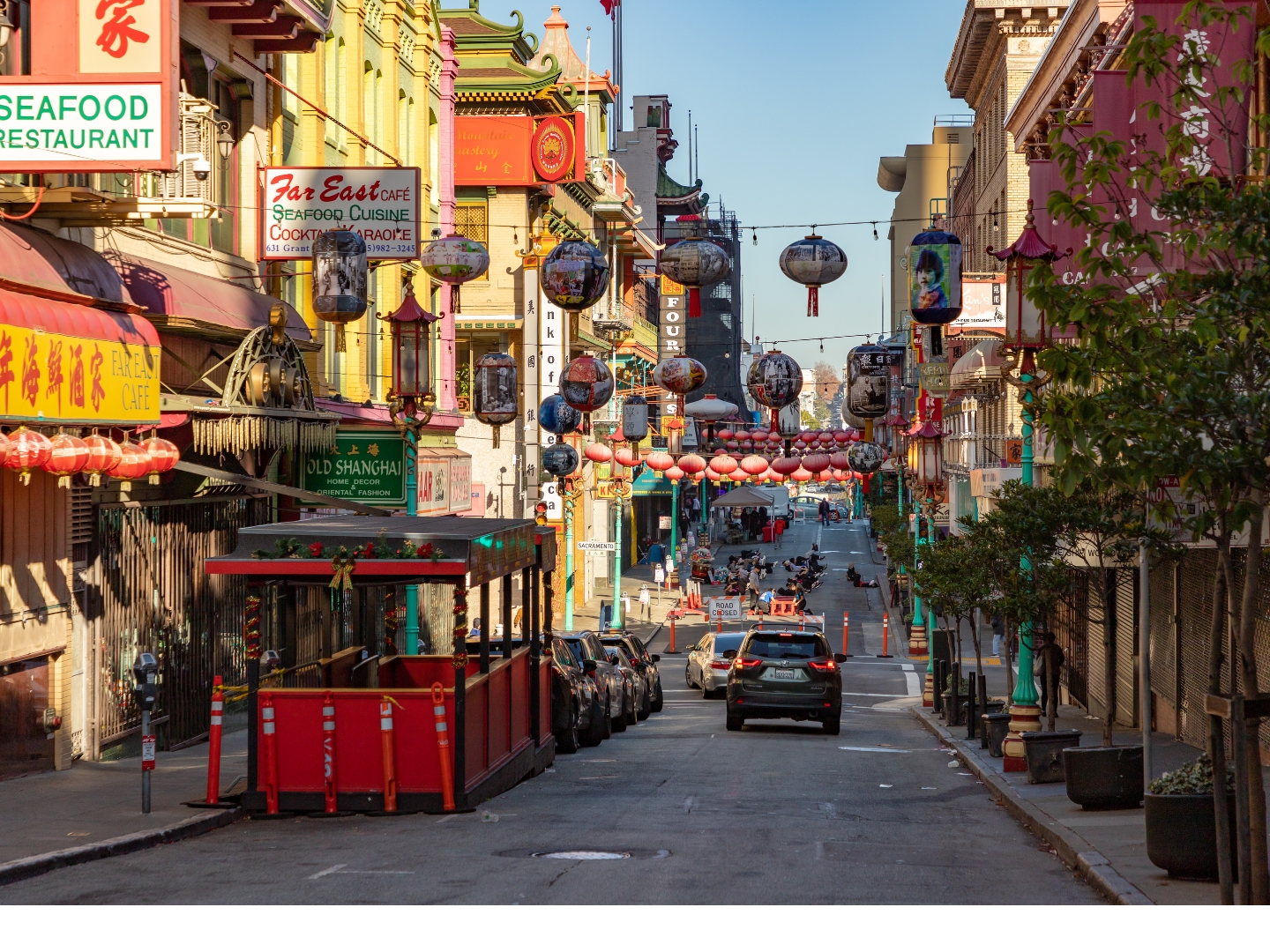
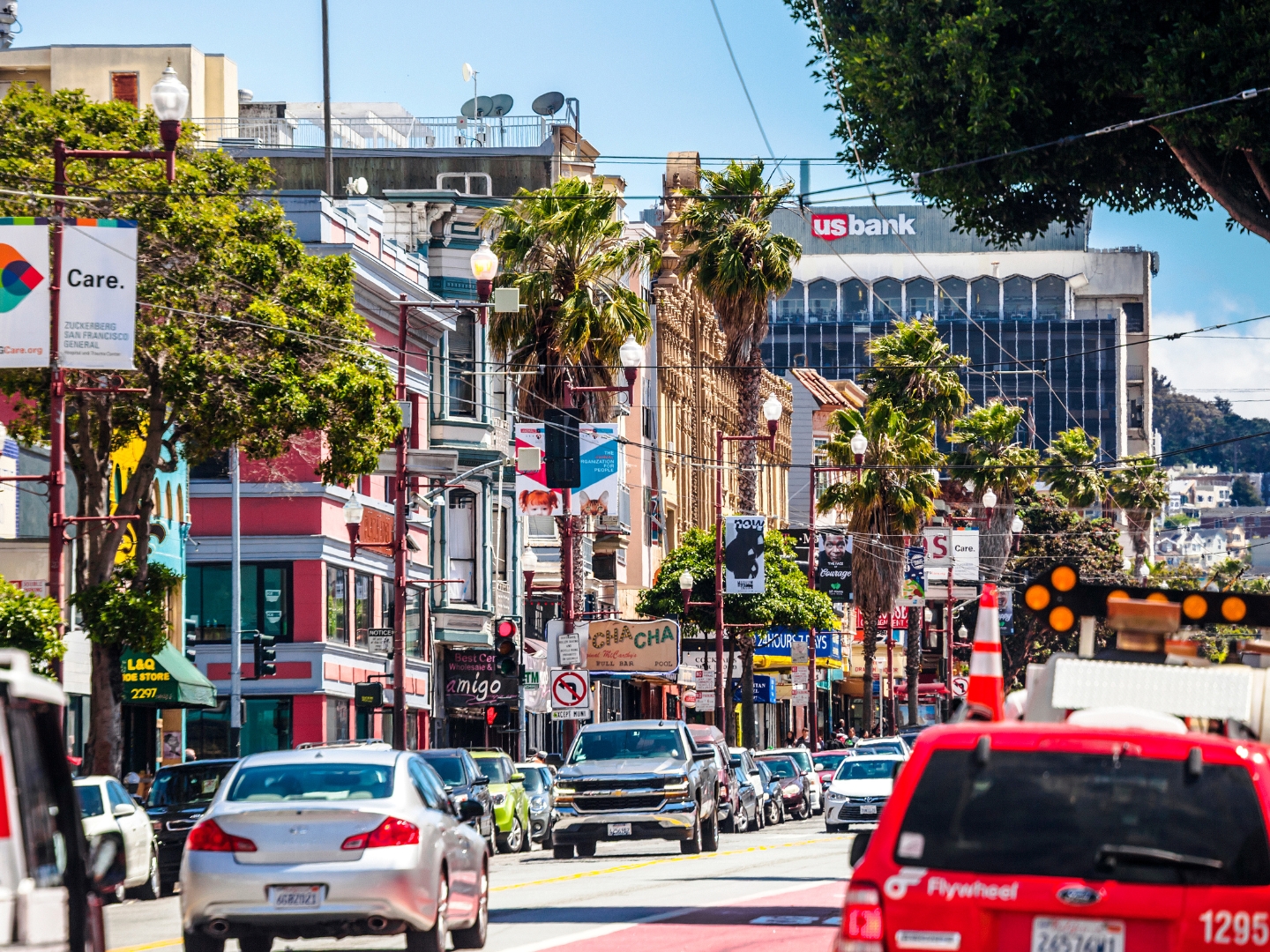
If we had to name the thing that sets San Francisco apart from any other American city, it would be this: you cross from one world into another in a few blocks. Chinatown is the oldest in North America and begins at the Dragon Gate on Grant Avenue. North Beach is the Italian quarter, with the old cafés of Columbus Avenue and City Lights, the Beat Generation bookstore. The Mission has the murals of Balmy Alley and the best Mexican food in the city. Haight-Ashbury keeps its Victorians and the memory of 1967. The Castro is the historic heart of LGBTQ+ America.
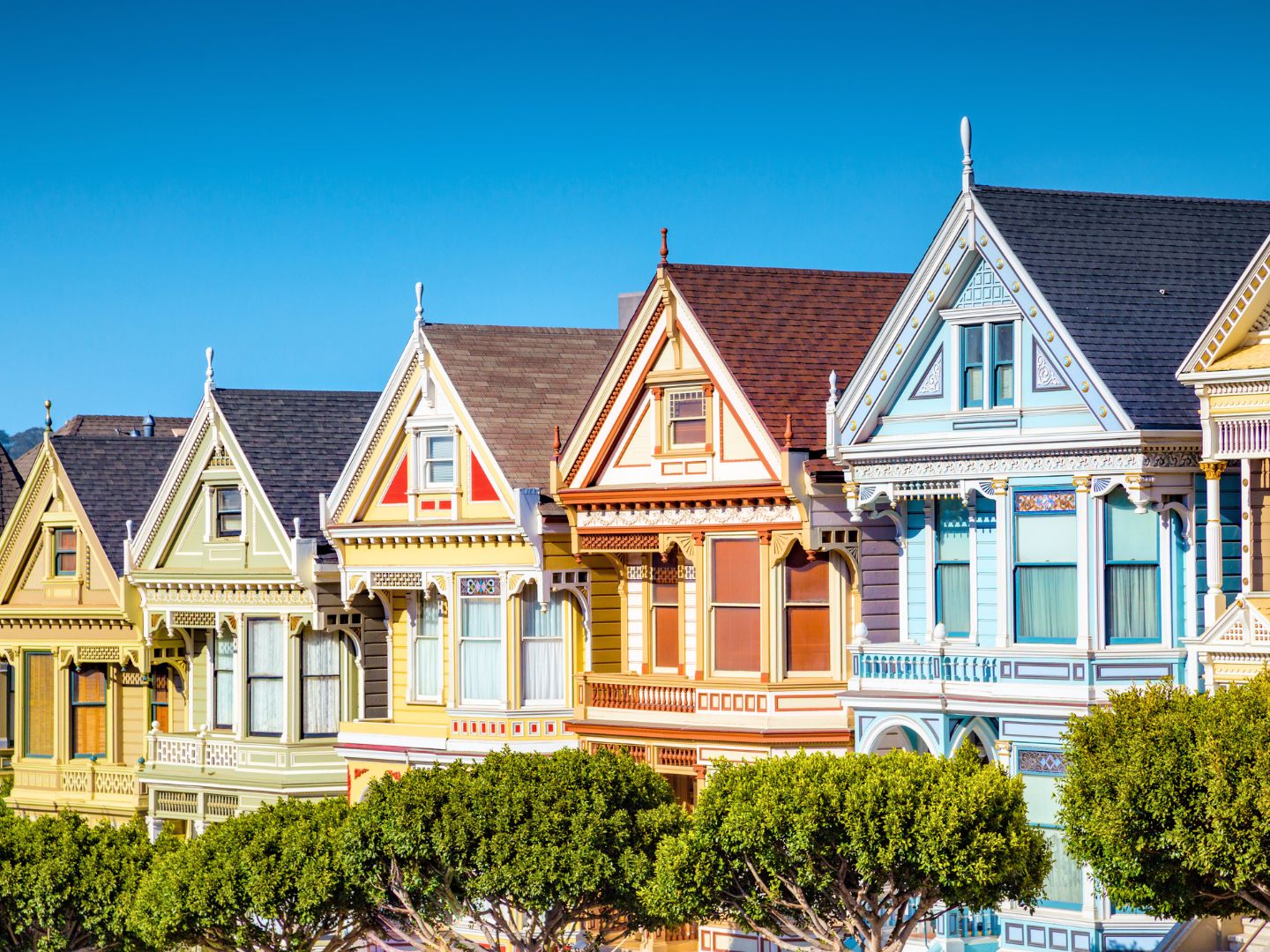
The Painted Ladies
The row of Victorian houses at Alamo Square with the skyline behind them. Easy to reach, worth five minutes, and one of the images that defines the city.
San Francisco in 1 Day
Twenty-four hours forces a clean choice: the bay or the neighbourhoods. We'd say the bay, because it's the part you won't find anywhere else.
Morning: Powell-Hyde cable car to Lombard Street, walk down toward Fisherman's Wharf, sea lions at Pier 39.
Afternoon: bike rental or taxi to Crissy Field and walk out onto the Golden Gate Bridge, at least as far as the first tower.
Evening: dinner in North Beach, ten minutes from the Wharf.
If you have a single day and don't want to lose it to logistics, our guided city tour covers much of this route without you having to think about the connections. If you'd rather set your own pace, the private San Francisco touris built around what you actually want to see.
San Francisco in 3 Days
Three days is the shortest sensible stay. You see the city without running, and you can add a first experience on the water.
Day 1 — Downtown and the bay. Union Square, cable car, Lombard Street, Fisherman's Wharf, Pier 39. Close with a sunset cruise, which gives you the measure of the city from the water.
Day 2 — Alcatraz and the historic quarters. Morning ferry to Alcatraz (booked months ahead), back by midday, afternoon between Chinatown and North Beach. There's also a combined format — escorted city tour plus ferry to Alcatraz — that handles the whole day in one booking.
Day 3 — Golden Gate and the park. Morning at the bridge, afternoon in Golden Gate Park between the Academy of Sciences and the gardens, with a stop at the Painted Ladies on Alamo Square on the way back.
San Francisco in 5 Days
With five days the city stops being a sprint and you can start looking outward. Add museums and a first excursion beyond the bridge to the three days above.
Day 4 — Museums and the Mission. The SFMOMA is one of the largest modern art museums in the United States and deserves half a day at minimum. Alternatively the Exploratorium on Pier 15 if you're travelling with teenagers, or the Legion of Honor for European art with an ocean view. Afternoon in the Mission among murals and taquerias.
Day 5 — Beyond the bridge. Two options, both excellent:
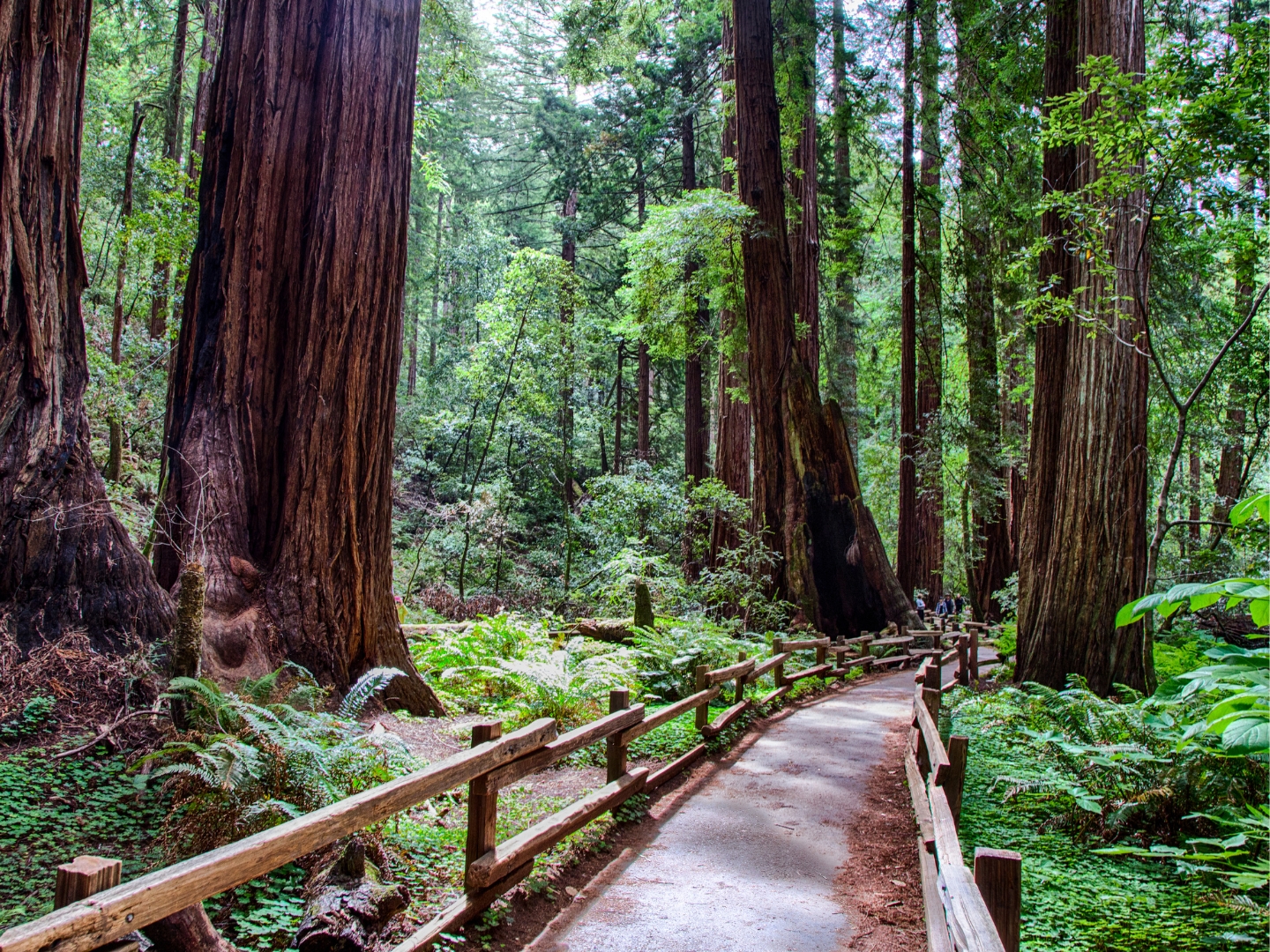
- Sausalito and Muir Woods — centuries-old redwoods twelve miles from the city, plus the village on the bay. One important practical note: at Muir Woods parking must be reserved online in advance ($10, seven days a week, year-round) on top of the $15 per-person entrance fee. Anyone arriving on an organised tour doesn't need to worry about it. There's no cell service in the park, so download your confirmation before you leave.
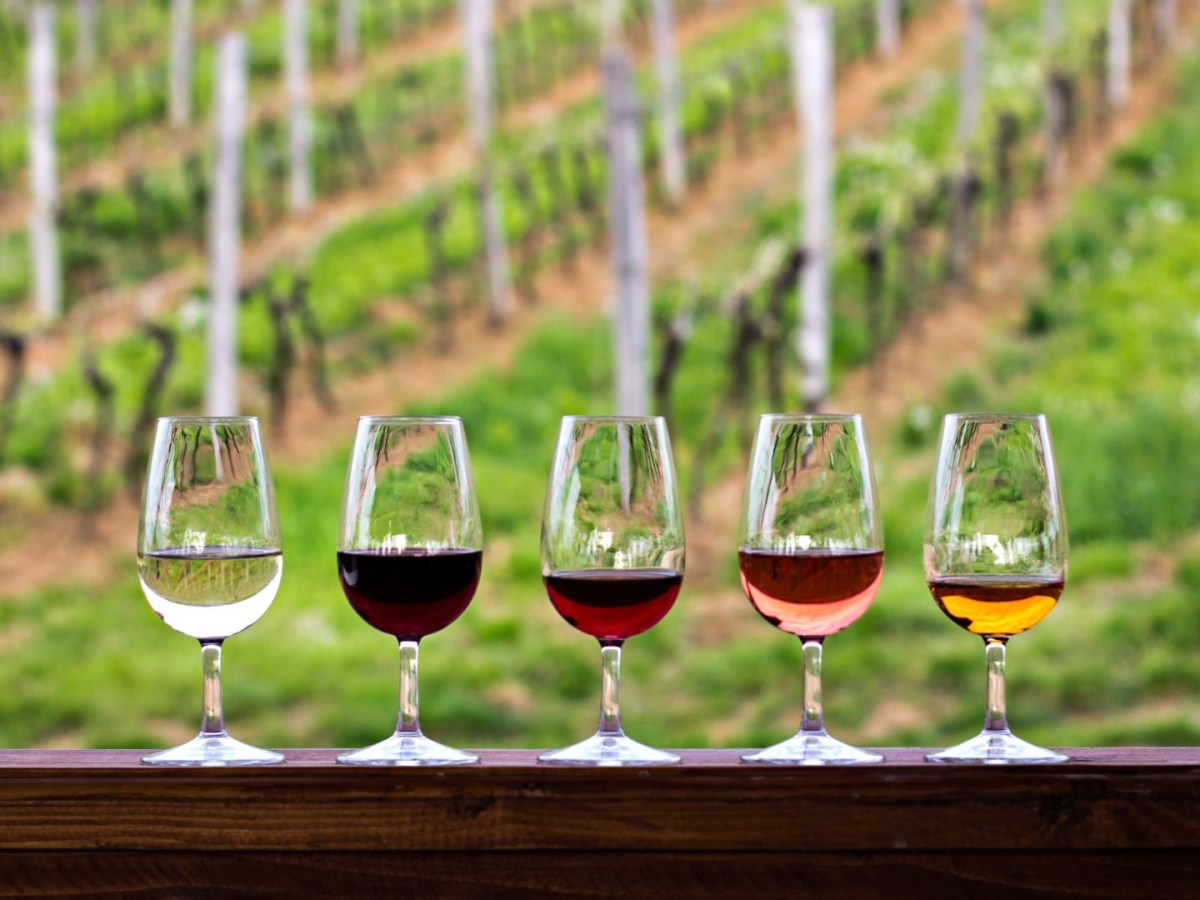
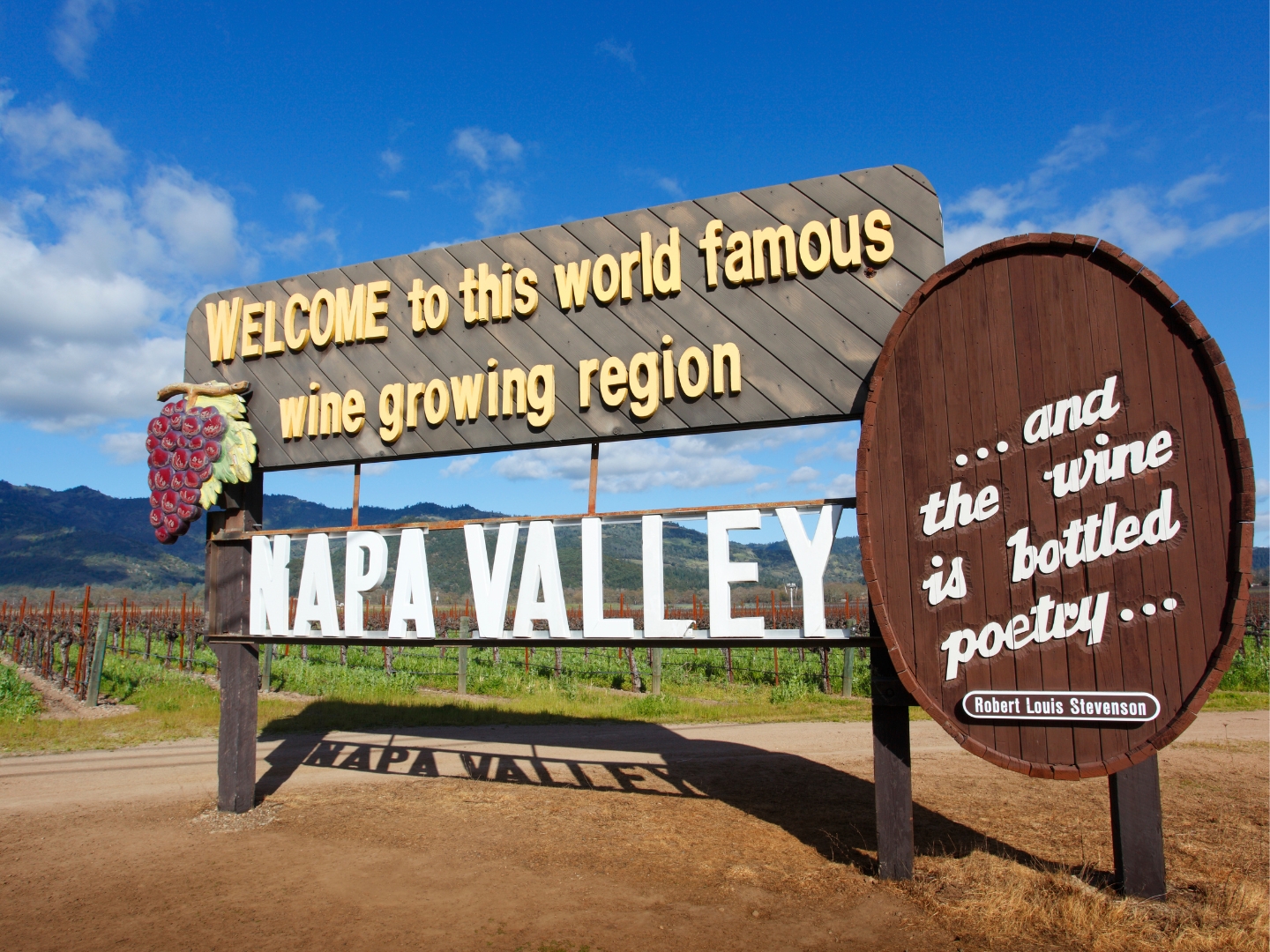
- Napa and Sonoma — America's best-known wine country, an hour north.
San Francisco in 7 Days
From a week up, the surroundings become the strongest part of the trip. Choosing isn't easy, because the options are all good.
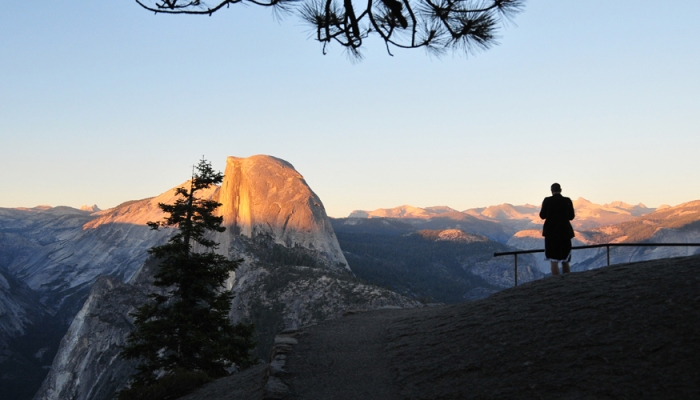
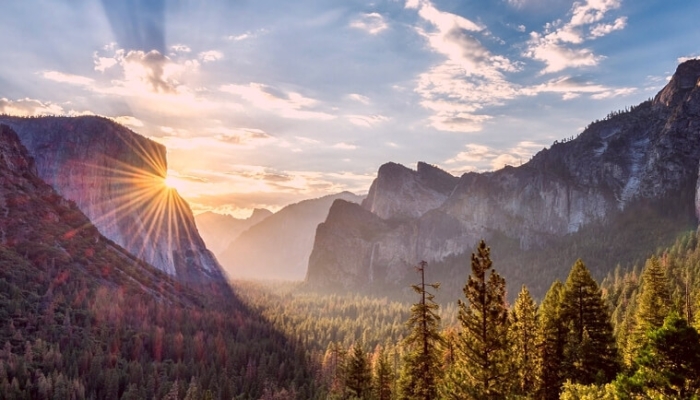
Yosemite in a day (around 14 hours) is demanding but doable, and the guided full-day tour takes the driving off your hands. With your own car, staying a night nearby changes the experience completely: the valley at dawn is unlike anything.
Carmel, Monterey and the 17-Mile Drive along Highway 1 is the finest stretch of the California coast. With your own vehicle, plan stops at McWay Falls and Pfeiffer Beach, both off the main circuit and both worth timing for sunset.
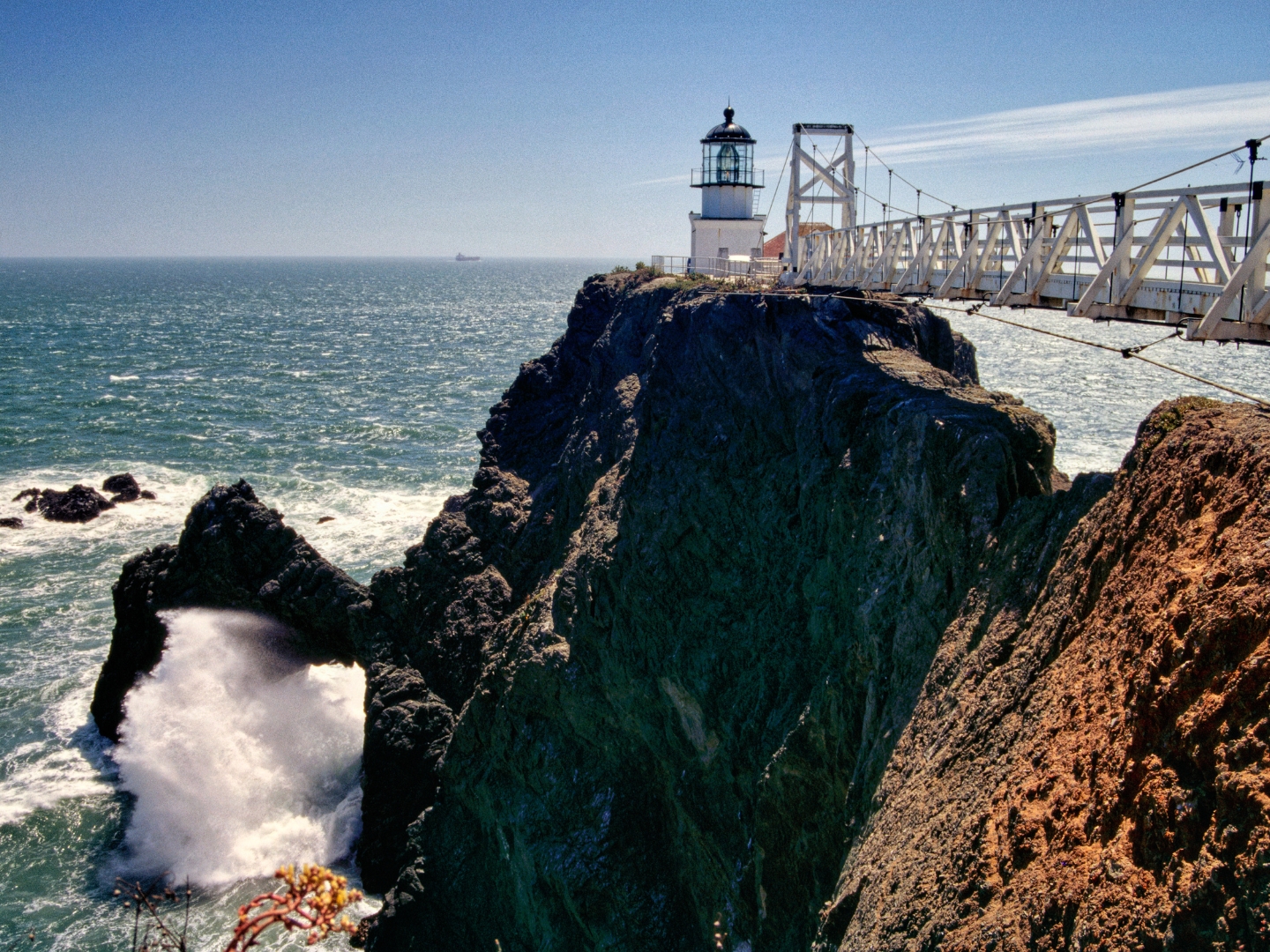
Worth adding if time allows: Point Bonita Lighthouse, reached through a short rock tunnel and across a suspension bridge, with one of the widest ocean views in the area. And for anyone wanting to push further, the multi-day tour to Yosemite, Las Vegas and the Hoover Dam.
Practical Advice for Planning Your Visit
Getting around
Downtown is walkable, but the hills are real: comfortable shoes, not new ones. For longer distances the Muni network covers the city well, and day or three-day passes almost always beat single tickets. A car in the city is more problem than solution — parking is expensive and awkward — while it becomes essential for Big Sur or Yosemite. If you're arriving at the airport with luggage, a private transfer takes care of the first leg.
What to wear
The local rule is that you dress in layers here, always. The temperature can shift ten degrees between a sunny neighbourhood and one under fog, in the same afternoon. A light windbreaker earns its place even in August, especially on the bridge and on the water.
What to book ahead
In order of urgency: Alcatraz (weeks, months in high season), Muir Woods parking if you're going independently, and tables at the more sought-after restaurants. The rest can be decided once you're there.
City passes
If you expect to visit three or more paid attractions, cumulative passes start to pay off: the San Francisco CityPASS covers the main museums, while the Go San Francisco Explorer lets you pick a set number of attractions from a wider list.
Let's Plan Your Trip Together
We're a family-run agency based in New York, now in our second generation, and we've been arranging travel across the United States for over forty years. Whether it's two days in San Francisco inside a wider itinerary or a full week built around California, we can handle private guided tours, transfers, excursions and accommodation.
If you have your dates, tell us how many days you have and what interests you most — we'll come back with a couple of tailored options.






 be free!




I’m the biggest fan of Fall activities, but haven’t had a chance to do anything beyond Apple Picking in NJ. I decided to take a last minute 2 day trip with a friend in Hudson Valley, but didn’t know where to start [...] Thankfully I was able to use New York Welcome to do the hard work for us [...]
From TripAdvisor - October 2021

Irene was a FANTASTIC tour guide! She was so knowledgeable about the area and was so patient with all our questions. We stopped to use the bathroom and we got coffee halfway through, she was so kind! It was a pleasure learning about Brooklyn from you!
From TripAdvisor - April 2022
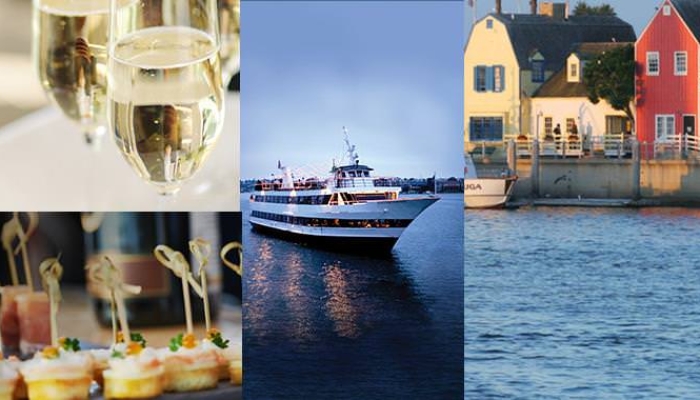
- Brunch Cruise, Champagne & Live Music in San Francisco
- San Francisco Grand City Tour & Escape from the Rock Bay Cruise
- San Francisco CityPASS
- Half Day Tour to Muir Woods and Sausalito
- Deluxe Escorted City Tour + Ferry to Alcatraz Island
- Escorted City Tour and Universal Studios entrance Ticket in LA
- 1 Day tour to Solvang, Hearst Castle and Santa Barbara from LA
- Full Day at Disneyland with round trip Transfer
- Visit of Los Angeles with your own private guide
- Half Day Private City Tour of Miami
- Private Excursion to the Everglades National Park
- Key West from Miami with Snorkeling & Cruise
- Chicago CityPASS
- Chicago private city tour
- Frank Lloyd Wright Private Tour
- Private full-day architectural tour from Chicago to Racine, Wisconsin
- Day Trip to Death Valley from Las Vegas
- Horseshoe Bend with Antelope Canyon
- Canyons to Coast -14 Days / 13 Nights (Start in Las Vegas)
- Historic New England, Canada & the American Revolution on a classic escorted tour
- West Coast Insider Escorted Tour
- Western Highlights Escorted Tour from San Francisco to Los Angeles
- California Adventure Package
- Trails of the Southwest - from Salt Lake City to Denver
- Golden West Package
- American Frontier Adventure
- The Magnificent Eight Escorted tour from Denver
- National Park Discovery - from Los Angeles 16days
- National Park Explorer - from Las Vegas
- National Park Explorer - from Los Angeles 12days
- Western Triangle
- Golden West Adventure
- Florida Experience: 11-Day
- Western Wonders – Escorted Tour 11days
- Western Panorama — 13-Day
- West by Southwest — The Ultimate Escorted Tour of the American Southwest
- Good to Know & General Info for Travels in the US
- Miami in 2 - 5 - 7 days
- Walt Disney World Orlando
- Kennedy Space Center at Cape Canaveral
- When to Go to Los Angeles
- San Francisco in 3, 5, and 7 Days
- Chicago in 1/3 - 4/7 days
- Venice Beach: what to see and what to do
- Miami Formula 1 Grand Prix
- South Beach Seafood Festival
- The Everglades – What you need to know
- Coral Gables Venetian Pool & The Biltmore Hotel




 Loading...